Terraced garden maintenance on Newington Causeway practical tips
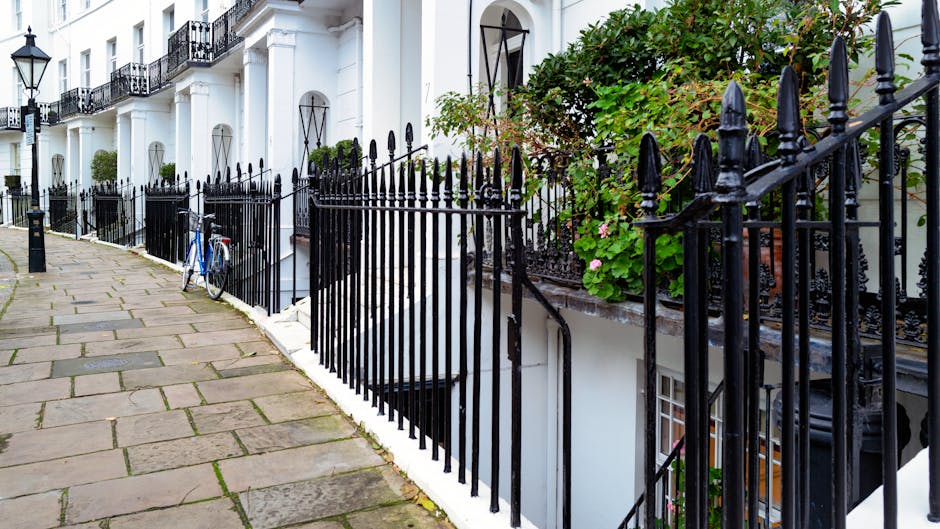
If you look after a terraced garden on Newington Causeway, you already know it's a different beast from a roomy suburban plot. Space is tighter, access can be awkward, wind bounces off walls, and small problems can turn into big ones quickly. Terraced garden maintenance on Newington Causeway practical tips is really about making that compact space easier to manage, safer to move through, and nicer to use every week of the year.
In practice, good terraced-garden care is less about grand redesigns and more about steady, sensible routines. A quick tidy here, a smart planting choice there, and a bit of attention to drainage, boundaries, and vertical growth can make all the difference. This guide walks through the real-world approach: what matters, how to do it properly, and where people most often go wrong. No fluff. Just useful, grounded advice you can actually use.
Why Terraced garden maintenance on Newington Causeway practical tips Matters
Terraced gardens often look simple from a distance, but they ask a lot of you. They are usually narrower, more enclosed, and more exposed to reflected heat, gusty air movement, and shade from nearby buildings. On a street like Newington Causeway, those realities tend to be even more noticeable. A little neglect can mean slippery paving, leggy shrubs, blocked drainage, or a border that becomes a weed patch before you've had time to breathe.
Maintenance matters because terraced gardens are at their best when they stay balanced. Not overfilled, not bare, not overworked. Think of them as small outdoor rooms. If one corner becomes cluttered, the whole space feels smaller. If one plant outgrows its spot, it can throw off the entire layout. The job is to keep everything in proportion.
There's also the comfort factor. A tidy terrace garden makes everyday life feel lighter. You step outside and the space works for you instead of against you. That might be a place for morning coffee, a few herbs by the door, or simply a cleaner view from the kitchen window. To be fair, that's often the real reason people care about maintenance. Not perfection. Just peace.
If you're starting from scratch or rebuilding after a few forgotten seasons, a gentle reset can help. Our guide to reclaiming beauty through garden transformation is a useful companion if your space needs a fresh beginning rather than a quick tidy.
How Terraced garden maintenance on Newington Causeway practical tips Works
Good terraced garden maintenance is built on routine, not occasional heroics. You don't need to do everything every week, but you do need a rhythm. The best approach is to divide the work into small, repeatable jobs: clear surfaces, check growth, manage water, inspect boundaries, and refresh planting areas before they become problems.
In a compact garden, maintenance works best when you think vertically as well as horizontally. Walls, trellises, and fences can carry climbers or trained plants, which frees up floor space and makes the garden feel more open. A smart choice of climbers can create height without crowding the ground. If that's an area you're exploring, the ideas in this piece on evergreen climbers for shade are especially handy.
It also works by setting clear zones. For example:
- Access zone: the part you walk through often, which must stay clear and dry.
- Display zone: pots, borders, or feature planting that reward regular care.
- Utility zone: compost, storage, tools, water butt, or the less glamorous bits.
That zoning sounds simple, but it's a game changer. It stops the garden becoming a muddled catch-all. And honestly, once you've got a proper system, maintenance feels far less like "doing chores" and more like a quick tune-up.
Another part of how it works is seasonal timing. Spring is for recovery and growth, summer is for watering and trimming, autumn is for clearing and preparation, and winter is for protection. If you keep the seasons in mind, you won't end up fighting the garden at the wrong moment.
Key Benefits and Practical Advantages
Well-planned terrace garden maintenance gives you more than a nice-looking outdoor space. It protects the structure, the planting, and your own time. In small gardens, the benefits are easy to spot because every improvement is visible almost immediately.
- Better drainage and fewer damp issues: regular clearing helps water move where it should.
- More usable space: pruning, deadheading, and removing clutter creates breathing room.
- Healthier plants: early attention to pests, disease, and poor soil keeps growth steady.
- Lower long-term effort: small jobs now avoid larger repairs later.
- Improved safety: moss, loose pots, and awkward overgrowth can all create hazards.
- Better privacy: maintained hedges, screening plants, or climbers do their job more effectively.
There's also a budget advantage. Small gardens can become expensive if they're neglected, because you often end up replacing plants, fixing surfaces, or paying for a bigger tidy-up than expected. A few minutes each week is boring, yes, but it's much cheaper than rescuing a jungle in July.
For people trying to keep things low-effort, a good maintenance plan pairs nicely with low-maintenance gardening ideas and practical plant choices. You want the garden to look intentional without becoming a second job.
And if weeds are your main headache, don't ignore them. A border can go from calm to chaotic in a few warm days. Helpful techniques are covered in these weed control tips, which fit terrace gardens particularly well because the margins are often small and exposed.
Who This Is For and When It Makes Sense
This kind of maintenance is a good fit for a lot of people, not just keen gardeners with all the time in the world. In fact, terraced gardens tend to belong to busy households, renters who want a tidy outdoor area, or homeowners who need to make a compact plot work hard.
It makes sense if you:
- have a narrow or split-level garden
- struggle with fast-growing plants or climbing growth
- want privacy without losing light
- need the garden to stay neat for pets or children
- use the space for sitting, dining, or entertaining
- are trying to reduce maintenance costs over time
It also makes sense before property viewings, after winter, or when your garden has become difficult to use. A lot of people leave maintenance until the space looks "bad enough" to justify action. Truth be told, that's usually too late for the easiest fix, but not too late to improve things properly.
If your terrace garden includes fencing, hard edges, or old panels, a maintenance review can reveal whether the issue is plants, structure, or both. In some cases, pairing gardening work with fencing support or small landscaping changes gives the best result.
And if you're wondering whether to tackle it yourself or ask for help, the answer depends on access, height, and time. If the garden is short on access or long on tangled growth, you may save yourself a weekend of frustration by bringing in support sooner rather than later.
Step-by-Step Guidance
Here's a practical way to maintain a terraced garden without feeling swamped. Keep it simple, keep it repeatable, and don't try to do everything in one go.
1. Start with a clear view of the space
Walk through the garden and look for the obvious trouble spots: blocked paths, overgrown edges, sagging supports, standing water, and any plants that are clearly outgrowing their position. You don't need a notebook full of plans yet. Start with what's in front of you.
2. Clear the walking routes first
In small gardens, access matters more than people think. If you can't move through it safely, the space starts to feel smaller and less inviting. Remove loose debris, trim back anything leaning into the path, and make sure containers are not narrowing the route.
3. Deal with water before it becomes a problem
Check whether rainwater is draining away properly. Terraced gardens sometimes have hard landscaping, slightly uneven ground, or awkward slopes. A small puddle today can become slippery paving tomorrow. Look at where water collects after rain, not just on dry days.
4. Prune, deadhead, and thin out
Pruning is not just about neatness. It keeps plants healthier and stops them crowding each other. Deadheading flowers can extend bloom, and thinning can improve airflow, which matters in enclosed spaces where damp can linger.
5. Refresh the soil surface
Top up mulch or compost where appropriate, and clear old leaf litter if it is smothering the border. Healthy soil gives you steadier growth and fewer dramatic plant failures. If you are trying to build better soil over time, this guide to soil sustainability through organic waste use is worth a look.
6. Check climbers and wall plants
Climbers can make a terraced garden feel lush and private, but only if they are trained properly. Loose growth can stain walls, damage gutters, or tangle into windows and fixtures. Keep ties secure but not tight, and cut back anything heading where it shouldn't.
7. Review containers and pots
Container planting is great for narrow spaces, but pots dry out faster and become messy quicker than ground planting. Rotate them for better light, check for root crowding, and replace tired compost before plant health dips. A well-thought-out container setup can transform the whole garden, as explained in these container gardening ideas.
8. Finish with a final tidy
Sweep paths, wipe down seating, put tools away, and step back. That last glance is surprisingly useful. If the garden still feels cramped, it probably needs a stronger pruning or a simpler layout. If it feels calm, you're on the right track.
Expert Tips for Better Results
Experience teaches a few things that don't always show up in generic advice. First, don't treat every part of the garden equally. Focus on the areas that shape how the garden feels day to day. That usually means the entry point, the main sightline, and whatever you use most often.
Second, choose plants for behaviour, not just appearance. A beautiful plant that needs constant staking or trimming may not be the right fit for a narrow terrace. You want growth you can manage, not growth that runs the show. If you like structure and a polished finish, professional hedge-shaping ideas can give you a sense of what tidy planting should look like.
Third, layer your planting carefully. In a terraced garden, low ground cover, medium-height structure, and vertical accents usually work better than lots of competing shrubs. If you want to soften bare patches and reduce weeding, ground cover planting options can be a smart move.
Fourth, manage wind. Newington Causeway can feel exposed at times, and terraced gardens often funnel airflow along walls and fences. Wind can dry out pots, snap stems, and chill tender plants. One of the most overlooked bits of maintenance is simply noticing where the wind hits first. A better wind buffer might be all you need. There's some useful context in this guide to wind control.
Finally, keep a small seasonal kit ready. A pair of sharp secateurs, gloves, a hand fork, a bucket, and a broom will cover a lot of territory. Fancy kit is nice. Useful kit is better.
Common Mistakes to Avoid
Terraced gardens can go sideways for simple reasons. Usually it's not one huge mistake, more a handful of small ones that build up.
- Letting plants outgrow the space: a small garden cannot absorb endless spread.
- Using too many different materials: too much variety makes the space feel busy and harder to maintain.
- Ignoring drainage: puddles, moss, and damp edges are not just cosmetic issues.
- Overwatering containers: pots need attention, but they do not need constant soaking.
- Skipping pruning until everything is tangled: little and often is far easier.
- Forgetting access for bins, tools, or repairs: a pretty garden that is awkward to move through is still awkward.
- Choosing plants only for looks: if the maintenance needs are too high, the space becomes stressful.
A classic one? Buying a plant because it looked brilliant in spring, then discovering by August that it's a monster. We've all seen it happen. It's not a disaster, but it is avoidable.
Another mistake is not planning for winter. Even a small terrace garden needs seasonal defence against frost, wet weather, and wind. If that's a weak spot, the advice in garden preservation and winter plant defence is a helpful reference point.
Tools, Resources and Recommendations
You do not need a shed full of specialist equipment. In terrace gardens, the best tools are the ones you can use quickly, clean easily, and store without fuss. A lighter kit is often better than an ambitious one.
| Tool or resource | Best use | Why it helps in a terraced garden |
|---|---|---|
| Secateurs | Pruning, deadheading, shaping | Precise cuts matter where space is limited |
| Hand fork | Soil work and root-level weeding | Useful for tight borders and pots |
| Spade or trowel | Planting and lifting | Ideal for compact beds and containers |
| Broom and dustpan | Surface cleaning | Keeps patios and paths looking cared for |
| Gloves | General protection | Helpful for thorny climbers and rough edging |
| Plant supports and ties | Training growth | Critical for climbers and vertical planting |
| Compost or mulch | Soil improvement and moisture retention | Reduces drying out and helps control weeds |
For those who want a simple seasonal routine, it helps to keep maintenance tied to existing habits. Sweep after the bin is moved. Check watering while making tea. Prune when you notice one plant reaching too far. A little rhythm like that goes a long way.
If you prefer to build confidence first, the article how to become a garden guru with beginner tips is a good companion for less experienced gardeners. It's especially useful if you're learning the basics while trying to keep a real garden under control.
And if your garden includes a patio or decking area, surface care matters too. Algae, dirt, and leaf build-up can make a terrace feel neglected very quickly. In that case, you may also benefit from patio cleaning or decking services depending on what you have underfoot.
Law, Compliance, Standards, or Best Practice
For a domestic terraced garden, there usually isn't a long list of formal requirements just for routine maintenance, but there are sensible best practices to follow. If work involves height, sharp tools, heavy waste, or access to shared boundaries, it is wise to use safe working methods and keep pathways clear.
In practical terms, this means checking for trip hazards, using ladders carefully, and being mindful of neighbouring properties when cutting back shrubs or climbing plants. If branches or roots are near walls, fences, or shared structures, it's worth being cautious and documenting what you plan to do before any major cutback. That avoids arguments later, which nobody really wants.
Good garden practice also includes respecting wildlife and avoiding unnecessary disturbance during nesting periods where applicable. You do not need to turn every tidy-up into a philosophy degree. Just work carefully and use common sense. If a task feels more risky than routine, that is usually the moment to slow down or ask for professional help.
For broader trust and service reassurance, it can help to review a provider's policies before work begins. Pages such as health and safety policy, insurance and safety, and terms and conditions are worth checking if you are comparing options. If you are arranging ongoing support, pricing and quotes can help set expectations from the start.
Options, Methods, or Comparison Table
There is no single right way to maintain a terraced garden. The best method depends on how much time you have, how formal the layout is, and how much growth you're trying to control. Here's a plain comparison to make that easier.
| Approach | Best for | Strengths | Trade-offs |
|---|---|---|---|
| DIY weekly maintenance | Small, manageable gardens | Low cost, flexible, hands-on | Needs regular discipline |
| Monthly light professional support | Busy households | Keeps things tidy without much stress | Higher ongoing spend |
| Seasonal intensive tidy-up | Overgrown or neglected spaces | Fast visible improvement | Can feel abrupt if not followed by upkeep |
| Maintenance plus redesign | Spaces that no longer work well | Solves practical and visual issues together | Takes more planning upfront |
In our experience, the best results usually come from a blend of methods. You do not always need constant intervention. Sometimes you need one proper reset, then a light maintenance rhythm after that. That's the sweet spot.
If privacy is part of the brief, a terraced garden can benefit from structured planting rather than random screening. The article on fast-growing hedges for privacy offers useful ideas if you want screening without making the garden feel boxed in.
Case Study or Real-World Example
Consider a narrow rear terraced garden near Newington Causeway with a small paving area, one overgrown border, a tired fence line, and three large containers that had gradually taken over the path. Nothing dramatic, just a space that had become harder to use than it needed to be.
The first step was clearing the route and removing one container from the walkway. That alone changed how the space felt. Next came pruning the climber on the fence so it stopped crowding the light. The border was thinned out, weeds were removed properly, and a layer of compost was added to the top of the soil. A couple of smaller pots replaced the oversized containers, and one bench was moved into a brighter corner.
The result wasn't a "new garden" in the dramatic sense. It was better than that. It became easier to walk through, simpler to water, and much calmer to look at from inside the house. The kind of change you notice on a wet Tuesday morning, not just on a perfect summer day.
That's the real lesson with terraced garden maintenance: small, practical changes often deliver the most noticeable improvements. If the structure is sound and the routine is realistic, the whole space starts behaving itself.
Practical Checklist
Use this as a quick maintenance reset whenever the garden starts to feel a bit much.
- Clear the main paths and access points
- Check for puddles, moss, or slippery areas
- Remove weeds from borders, joints, and pot edges
- Prune back overlong stems and crowded growth
- Deadhead flowers and remove damaged leaves
- Inspect climbers, ties, and supports
- Water containers deeply but not excessively
- Top up compost or mulch where needed
- Look for signs of pests or disease
- Wipe down or sweep hard surfaces
- Confirm that bins, tools, and seating still fit comfortably
- Make one note for next time instead of trying to solve everything at once
Expert summary: a terraced garden stays easier to maintain when you reduce clutter, control vertical growth, protect surfaces from damp, and keep the planting simple enough to manage in real life. That is the whole game, really.
Conclusion
Terraced garden maintenance on Newington Causeway practical tips comes down to keeping a small outdoor space tidy, resilient, and enjoyable without making it feel high-maintenance. If you focus on access, drainage, pruning, soil health, and thoughtful planting, the garden becomes easier to live with almost immediately.
The best terraced gardens are not the most complicated ones. They are the ones that feel balanced and looked after. That's what gives a space character without chaos. And once you've got that rhythm in place, maintenance stops feeling like a burden and starts feeling like part of the home.
If your garden needs a proper reset, a seasonal tidy, or a more regular maintenance plan, it may be the right moment to talk through your options and work out what actually fits your space and schedule.
Get a free quote today and see how much you can save.
There's something quietly satisfying about a garden that finally works with you instead of against you. Even a small one.
Frequently Asked Questions
How often should a terraced garden be maintained?
Most terraced gardens benefit from a light weekly check, with a deeper tidy-up every few weeks depending on growth and the season. In spring and summer, you may need to do a little more often because plants, weeds, and watering demands all increase. The important part is consistency.
What makes terraced garden maintenance different from other garden care?
The main difference is space and structure. Terraced gardens are usually narrower, more enclosed, and more dependent on vertical features. That means pruning, drainage, and access matter more than they might in a larger garden.
Can a small terraced garden still look full without becoming messy?
Yes, absolutely. The trick is to use layered planting, climbers, and a few well-chosen containers rather than packing in too many different plants. Full doesn't have to mean crowded.
What are the biggest maintenance problems in terraced gardens?
The most common issues are weeds, overgrown climbers, poor drainage, messy paving, and plants that outgrow their space. Wind and shade can also make some areas harder to manage than expected.
Is it better to use pots or planted borders in a terraced garden?
Both can work. Pots offer flexibility and are great for rental properties or compact layouts, while borders usually need less frequent watering and can create a softer, more settled look. Many gardens work best with a mix of the two.
How do I keep a terraced garden low maintenance?
Choose plants that suit the light and space, keep surfaces clear, use mulch to reduce weeds, and avoid overly fussy planting combinations. A simple layout is much easier to keep under control.
What should I do about climbing plants on walls or fences?
Train them early, keep supports secure, and prune before they start crowding windows, gutters, or neighbouring boundaries. Climbers are brilliant for small gardens, but they do need regular attention.
Do I need professional help for terraced garden maintenance?
Not always. If the space is small and manageable, DIY care may be enough. But if the garden is overgrown, access is awkward, or the work involves heavy cutting back, professional support can save time and reduce risk.
What time of year is best for a garden tidy-up?
Spring and autumn are usually the most useful times for larger tidy-ups. Spring prepares the garden for growth, while autumn helps clear debris and reduce winter problems. That said, small maintenance tasks matter all year.
How can I make a terraced garden safer?
Keep paths clear, remove moss and slippery debris, store tools properly, and check that pots or furniture are stable. If there are ladders, high hedges, or heavy materials involved, take extra care or ask for support.
What should I look for when choosing a gardening service?
Look for clear communication, a sensible maintenance plan, safety awareness, and straightforward pricing. It also helps if the service offers related support such as garden maintenance, lawn care, or broader gardening services depending on what your garden needs.
How do I know if my terraced garden needs a redesign rather than maintenance?
If you keep solving the same problems again and again, or if the garden no longer fits how you use it, a redesign may be worth considering. Sometimes a better layout, fewer plants, or a different screening approach is the real fix.
If you'd like a more tailored conversation about your garden, you can also learn more about the team through about us or get in touch via the contact page.