Solutions for narrow alley access for Newington gardeners
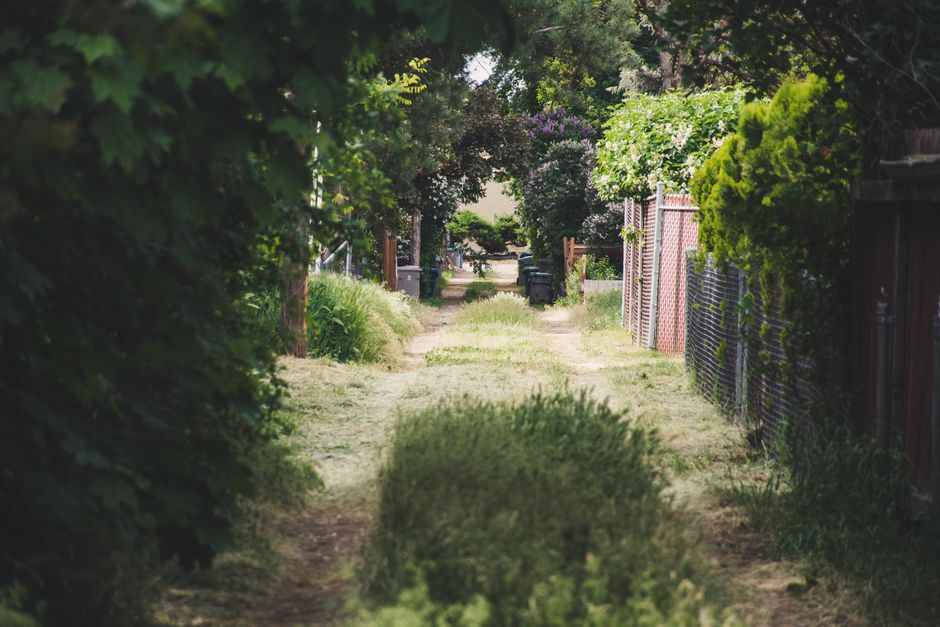
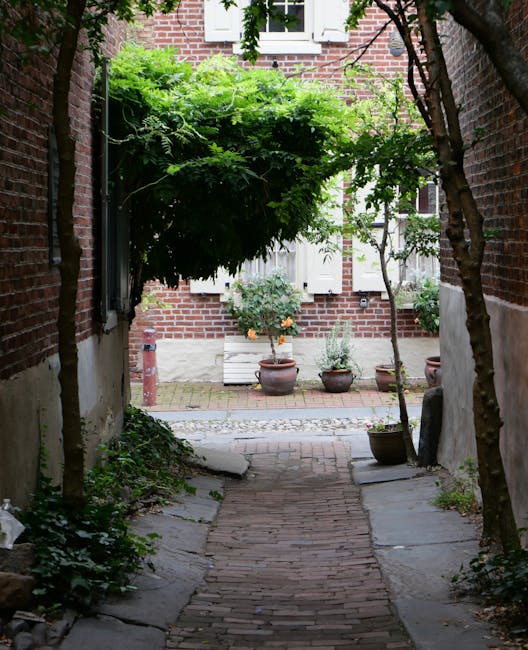
If you have ever tried to move compost, paving slabs, plants, or even a wheelbarrow through a tight side passage, you already know the problem: narrow alley access can turn a simple garden job into a balancing act. For Newington gardeners, that challenge is especially common in older terraced streets, compact urban plots, and homes where the "back way" is more of a squeeze than a route.
This guide looks at practical Solutions for narrow alley access for Newington gardeners in a real-world way. We will cover how access planning works, what tools and methods actually help, which mistakes cause the most frustration, and when it makes sense to bring in professional support. A few jobs can be managed with patience and a folding trolley. Others? Honestly, they need a smarter setup from the start.
By the end, you will have a clear approach for making difficult access easier, safer, and far less stressful.
Table of Contents
- Why narrow alley access matters in Newington gardens
- How access-friendly garden work works
- Key benefits and practical advantages
- Who this is for and when it makes sense
- Step-by-step guidance
- Expert tips for better results
- Common mistakes to avoid
- Tools, resources and recommendations
- Law, compliance, standards, or best practice
- Options, methods, and comparison table
- Case study or real-world example
- Practical checklist
- Conclusion
- Frequently asked questions
Why narrow alley access matters in Newington gardens
Narrow access changes almost everything about a garden project. In a spacious property, you can often bring materials straight in, stack deliveries neatly, and work around the site with room to spare. In a narrow alley, every movement matters. Turning space disappears. A normal-sized wheelbarrow may be too awkward. Long-handled tools can catch on fences, plant supports, or door frames. Even wet weather makes the route more awkward, because one muddy footprint can spread into a much bigger clean-up.
For Newington homes, the issue is not just convenience. It affects what can be delivered, how long the job takes, and which design choices are realistic. If access is tight, the best planting plan is often the one that avoids repeated heavy lifting. That means thinking about modular materials, lightweight growing systems, and maintenance that can be done without dragging equipment through a cramped passage every week.
There is also the human side of it. A narrow alley can be shared with bins, bikes, washing lines, pet routes, and neighbour access. So the question is not simply "How do we get through?" It is also "How do we do this without causing chaos?" That is where good planning pays for itself.
If you want to refresh the wider garden at the same time, useful ideas can come from container gardening secrets for a lush landscape and sustainable living through vertical gardening. Both approaches are especially helpful where ground-level access is limited.
How narrow alley access solutions work
The basic idea is simple: reduce bulk, reduce trips, and reduce friction. That sounds obvious, but in practice it means rethinking the whole workflow. Instead of moving one heavy item at a time through a difficult route, the job is broken into smaller, easier stages.
In a well-planned access-friendly setup, materials are chosen for portability. Gravel may arrive in smaller bags rather than loose loads. Compost may be decanted into lighter containers. Plants are selected in manageable sizes, often as young shrubs or plug plants rather than oversized specimens. Tools are chosen for compact handling, and any major pruning or clearance is timed so the site stays easier to move around.
Sometimes the solution is not about shrinking the job itself, but changing the sequence. For example, if a fence line blocks the easiest route, you might trim, lift, or temporarily remove an obstacle before bringing in bulky items. If the alley is too tight for a standard barrow, a narrow garden trolley, hand-carry system, or sack truck-style approach can make the job possible without forcing the issue.
For heavier transformation work, it can help to combine access planning with broader garden design. A project that uses raised planters, compact paving units, or sectioned installation is much easier to deliver through a narrow route. You may notice that the most successful jobs are not the flashiest ones; they are the ones that can actually be executed cleanly.
Key benefits and practical advantages
Good access planning saves more than time. It protects the garden, the home, and the people doing the work. That is the headline. But there are several smaller gains that are easy to overlook until you have experienced the difference.
- Less physical strain: lighter loads and better routes reduce awkward lifting and carrying.
- Lower risk of damage: fewer collisions with walls, windows, edging, and planting beds.
- Faster completion: smaller, better-organised deliveries usually mean less stopping and starting.
- Cleaner results: fewer repeated journeys through a narrow passage means less mess spread across paths and thresholds.
- More design freedom: compact access-friendly materials open up options that would otherwise be ruled out.
There is also a planning advantage. Once access is understood properly, it becomes much easier to estimate labour, schedule work sensibly, and avoid unpleasant surprises. That matters if you are arranging seasonal maintenance or a one-off transformation. Nobody wants the job to stall halfway through because a delivery arrived too large for the route. We have all seen that happen. Not ideal.
For ongoing upkeep, access-friendly layouts often pair well with low-maintenance gardening solutions for busy lives, especially where regular visits need to stay quick and manageable.
Who this is for and when it makes sense
This approach is useful for more people than you might think. It is not only for tiny city gardens or awkward back entrances. It helps anyone whose outdoor route makes standard garden work inconvenient.
You are likely to benefit if you are:
- working with a terraced property or side return access
- managing a shared passage, alley, or rear entry point
- planning a landscaping project that involves bulk materials
- refreshing planting beds without much clearance for equipment
- trying to keep maintenance tidy in a compact urban garden
- dealing with narrow gates, tight corners, or uneven surfaces
It also makes sense when you want to reduce disruption. Maybe you are at home during the work, maybe neighbours are close by, maybe the route passes around bins or a utility area. In those situations, access planning is not just practical; it is considerate. And truth be told, that makes the whole process feel calmer.
When gardens are close to homes and shared spaces, questions about safety and insurance start to matter too. A quick look at insurance and safety guidance can help set expectations before work begins.
Step-by-step guidance
If you are trying to improve narrow alley access for a garden project, work through the problem in order. Rushing straight into a delivery or pruning session usually creates more work later. Here is a sensible sequence.
- Measure the route carefully. Check the narrowest points, the height of overhangs, and any awkward corners. Do not rely on memory. It is amazing how often a route "feels" wider than it is.
- Identify fixed obstacles. Look for bins, hose reels, low branches, wall-mounted fittings, loose paving, and anything that narrows the usable path.
- Decide what can be reduced in size. Materials, plants, bags, and tools can often be split into smaller loads before arriving on site.
- Choose the movement method. Hand-carry, two-person carry, narrow trolley, sack truck, or small-batch delivery each has its place.
- Protect the route. Use boards, trays, or temporary coverings where surfaces are delicate or slippery.
- Stage the work area. Put tools where they will not block the passage and keep the route as clear as possible while the job is active.
- Review what actually worked. After the first round, note what felt easy and what was a pain. That becomes the blueprint for next time.
The biggest practical insight here is simple: design your process around the narrowest part of the route, not the widest. That tiny shift saves a surprising amount of effort.
If you are also improving hedges, edges, or boundary planting along the route, our hedge trimming service is a useful reference point for keeping access corridors under control rather than letting them slowly disappear.
Expert tips for better results
These are the small details that tend to separate a smooth job from a frustrating one.
- Use smaller deliveries when the route is tight. Fewer oversized bags and fewer bulky items usually mean fewer bottlenecks.
- Keep the first metre of access clear. The area nearest the gate or door is often where trips and collisions happen.
- Choose upright plants where possible. Sprawling plants are lovely, but they are awkward to move in and out of compact spaces.
- Think vertically. Trellises, climbing plants, and wall-supported features make a huge difference where ground movement is limited.
- Work in daylight if you can. Narrow access is much easier to assess when you can actually see the corners properly. Obvious, yes, but worth saying.
- Keep fast fixes ready. A folding rake, compact pruners, and a lightweight kneeler can save repeated trips.
One of the best habits is to plan the whole project as if you were doing it in small chapters. Chapter one: clear access. Chapter two: deliver materials. Chapter three: build or plant. Chapter four: tidy the route again. That rhythm feels slower on paper, but in real life it is often much faster.
For a more efficient setup, it helps to pair access planning with the right equipment. A practical guide like equip yourself with the best gardening tools today can give ideas for compact, reliable kit that is easier to move through narrow gaps.
Common mistakes to avoid
A few mistakes come up again and again. They are easy to make, especially if you are eager to get started.
- Forgetting to measure the narrowest point. People often measure the obvious middle section and miss the gate latch, corner post, or low wall cap.
- Ordering materials too large for access. A van full of the wrong size bags is not a plan, unfortunately.
- Blocking the route during work. Tools and waste bags can quickly create a self-made obstacle course.
- Ignoring drainage and surface grip. Wet paving or muddy strips can make carrying risky.
- Choosing plants that will outgrow the space too fast. Fast spreaders are not always your friend in a narrow garden corridor.
- Assuming one person can manage everything alone. Some tasks are safer and easier with two people. No shame in that.
There is also a softer mistake: trying to force a "normal garden" approach into an access-limited space. Once you stop fighting the site and start working with it, the whole project tends to improve. That sounds almost too simple, but it is often the truth.
Tools, resources and recommendations
When access is tight, the right kit matters more than the fanciest kit. You are looking for compact, sturdy, and easy-to-control tools rather than big tools that look impressive but are awkward in a narrow passage.
| Method or tool | Best use | Main advantage | Watch out for |
|---|---|---|---|
| Folding hand trolley | Small loads, bags, pots | Easy to store and manoeuvre | Can struggle on uneven ground |
| Two-person carry | Long or awkward items | Better balance and control | Needs good coordination |
| Small-batch delivery | Materials and compost | Reduces bulk at the route | May increase delivery trips |
| Raised planters | Space-saving planting | Improves access and maintenance | Needs sensible drainage and stability |
| Vertical planting systems | Small urban gardens | Uses height instead of width | Needs secure fixing and regular watering |
When choosing a method, be practical, not romantic. The best option is usually the one that gets the job done safely and tidily. If you are thinking about access-friendly planting styles, these reads can help: ground covers for UK garden beauty, evergreen climbers, and professional hedge shapes. They each support a cleaner, more compact garden structure.
For ongoing care, garden maintenance and general gardening services can be helpful where access makes regular DIY work tiring or time-consuming.
Law, compliance, standards, or best practice
Access work in gardens is not usually a heavily regulated area, but best practice still matters. In the UK, common-sense safety and neighbourly care go a long way. If you are moving tools, materials, or waste through shared access, keep the route tidy and avoid creating hazards. If the alley is shared with neighbours, good communication is often more valuable than any piece of equipment.
For professional work, you should expect a sensible approach to risk assessment, insurance, and site safety. That does not mean endless paperwork for a small job. It means the basics are covered: safe lifting, stable footing, clear routes, and proper handling of tools and materials. If any work affects boundaries, fences, or overgrown trees, it should be planned carefully so nothing is damaged and nobody is put at risk.
If your access route includes climbing plants or dense hedging, it can be worth checking the condition of surrounding structures before work starts. The same applies to slippery paving, uneven steps, and fragile edging. A tidy route is not just efficient; it is the safest way to work in cramped conditions.
For service expectations and practical arrangements, pages such as pricing and quotes, terms and conditions, and payment and security can help set a clear framework before any project begins.
Options, methods, and comparison table
There is no single answer for every narrow alley. The right choice depends on what you are moving, how often you will need to move it, and how much disruption you can tolerate. Here is a practical comparison.
| Approach | Best for | Pros | Cons |
|---|---|---|---|
| Hand-carrying smaller loads | Plants, tools, light materials | Simple, flexible, low-cost | Slower for bigger jobs |
| Narrow trolley or sack truck | Bags, pots, compact deliveries | Reduces strain and trips | Needs enough turning room |
| Modular design approach | Renovations and installations | Builds the garden around access limits | Requires planning upfront |
| Professional access planning | Heavier or more complex projects | Efficient, safer, less guesswork | Higher upfront cost than DIY alone |
As a rule of thumb, if the project involves repeated movement of bulky items, modular planning tends to win. If the job is quick and light, a hand-carry setup may be enough. And if the route is especially awkward, it may be worth getting help before the project starts to drift into a half-finished mess. We have all seen half-finished garden jobs after all. They haunt the eye.
Case study or real-world example
Picture a typical Newington terrace with a side alley just wide enough for one person to pass comfortably, but not enough for a full-size wheelbarrow to swing around. The homeowner wants to refresh the rear garden: replace tired containers, clear a few weeds, add a small seating area, and bring in some new planting.
At first glance, the access route looks like the main problem. But after a quick site review, the plan changes. Compost is brought in as smaller bags. Plants are selected in lighter pots. A compact trolley is used for the heavier items. The old overgrowth near the alley is cut back first, which makes the route feel less cramped and reduces the chance of snagging. Because the seating choice is lightweight and modular, it can be assembled in the garden rather than dragged through the narrowest point as one bulky piece.
The result is not dramatic in the "before and after" magazine sense. It is better than that. The work is completed without damage, the route stays usable, and the homeowner is left with a garden that feels easier to live with. That is the kind of success people tend to value most after the dust settles.
For a similar transformation mindset, reclaiming beauty through garden transformation offers a useful way of thinking about projects that start with a problem and end with a cleaner, calmer space.
Practical checklist
Use this checklist before any garden work involving a narrow alley or side access.
- Measure the tightest width and note any low overhead points.
- Clear bins, bikes, tools, and loose clutter from the route.
- Check for slippery paving, raised edges, or trip hazards.
- Decide whether materials need to be split into smaller loads.
- Choose compact tools or a narrow trolley if needed.
- Protect delicate surfaces before moving heavy items.
- Plan the order of tasks so the route stays open for as long as possible.
- Make sure neighbours and household members know when access will be used.
- Keep waste removal and deliveries separate if that reduces congestion.
- Review what worked after the job and save those notes for next time.
If your garden also needs regular upkeep once the access issue is solved, services such as lawn care, lawn mowing, and patio cleaning can help keep the space tidy without overloading the route again.
Expert summary: the best narrow-access solution is rarely the biggest one. It is the one that respects the route, reduces handling, and keeps the whole project simple enough to finish well.
Conclusion
Narrow alley access can feel like a nuisance at first, but it does not have to hold your garden back. With the right planning, the right tools, and a layout that suits the route rather than fights it, even a compact Newington garden can become tidy, practical, and genuinely enjoyable to maintain.
The key is to think in smaller steps. Measure carefully. Reduce bulk. Choose compact materials. Keep the route clear. And if the job is larger than the access allows, plan it properly rather than forcing it through. That one decision can save time, stress, and a lot of unnecessary mess.
If you are ready to improve a tight garden access point or need help deciding the most sensible approach, start by exploring your options and speaking with a team that understands practical outdoor work in compact spaces.
Get a free quote today and see how much you can save.
Sometimes the smallest spaces just need the smartest plan. And once that plan is in place, the garden feels easier straight away.
Frequently Asked Questions
What are the best solutions for narrow alley access for Newington gardeners?
The best solutions usually combine smaller deliveries, compact tools, careful staging, and garden designs that use lighter or modular materials. The right answer depends on the width of the route and the type of work involved.
Can a standard wheelbarrow fit through a narrow alley?
Sometimes, but not always. Many side passages are awkward for a normal wheelbarrow, especially if there are corners, steps, or bins in the way. A narrow trolley or hand-carry approach is often easier.
How do I measure whether access is too tight for garden work?
Measure the narrowest point, not the easiest-looking one. Check gates, corners, overhangs, and any raised edges. If you are unsure, it is safer to treat the route as restricted and plan smaller loads.
Is it better to deliver materials in one go or in smaller batches?
Smaller batches are often better when access is tight. It keeps the route manageable and reduces the risk of damage. One big delivery can look efficient on paper but become awkward in practice.
What kind of garden design works well with narrow access?
Raised planters, vertical planting, container displays, and modular seating tend to work well. These options are easier to deliver and maintain in compact spaces.
Do narrow access gardens cost more to work on?
They can, depending on the job. Tight access may increase labour time or require more careful handling. That said, good planning can reduce waste and avoid expensive mistakes, so the final cost is not always as high as people fear.
What should I clear before garden work starts?
Clear bins, bikes, hoses, loose tools, and anything that blocks the route. Even small items can create problems when you are carrying materials through a tight passage.
Can hedge cutting help with alley access?
Yes. If hedges or overgrown plants are narrowing the route, trimming them back can make access safer and easier. Keeping the corridor open is often one of the quickest wins.
What safety issues matter most in narrow garden access?
Slippery surfaces, awkward lifting, trip hazards, and poor visibility are the main ones. A narrow route leaves less room for correction, so careful footing matters a lot.
Should I hire a professional for narrow alley access problems?
If the route is very tight, the materials are bulky, or the work involves repeated trips, hiring a professional often makes sense. It can save time and reduce the chance of damage or strain.
How can I keep a narrow access route usable after the project?
Keep storage minimal, trim growth regularly, and choose features that do not crowd the passage. A little discipline goes a long way here. Small routine tidy-ups are much easier than one big rescue job later.
Where can I find more help with Newington garden projects?
If you want to discuss a project or ask about practical access-friendly options, the easiest next step is to speak with a local gardening team that understands compact urban spaces and can help plan the work properly.